DIY Backdrop vs Studio - Who Wins Photography Creative Ideas
— 6 min read

DIY Backdrop vs Studio - Who Wins Photography Creative Ideas
DIY backdrops can deliver professional results for a fraction of studio costs, but studios still provide unmatched lighting control and space. I compare both approaches so you can decide which fits your creative vision and budget.
What Is a DIY Backdrop?
In 2023, an indie shoot wrapped with a budget of $120-160, showing how low-cost projects can still look polished (Wikipedia). A DIY backdrop is any background you assemble yourself, often using everyday items like fabric, paper, or pantry supplies. When I first built a backdrop from a rolled canvas and a sheet of reclaimed wood, the texture added depth that a plain studio wall lacked.
Materials range from cheap to elaborate. A simple matte paper roll costs under $10, while a painted plywood panel may run $30-$50. The key is to match the material to the subject - soft fabrics for portraits, bold prints for product shots. I always test the surface under my lighting setup before committing to a shoot; a quick swatch can reveal unwanted glare.
Setting up a DIY backdrop is a hands-on process. I start by anchoring the backdrop to a sturdy frame - often a PVC pipe system that I can fold away in minutes. A tension rod or a simple clamp line keeps the material taut, preventing wrinkles that ruin focus. For larger scenes, I stitch together multiple panels and overlap seams to hide joins.
Creative flexibility is a major advantage. Need a midnight sky? I drape a black sheet and add a printed galaxy overlay. Want a vintage vibe? I hang a patterned wallpaper sample and add faux-aged props. Because you control every element, the backdrop can evolve with each shoot, saving you the cost of renting multiple studio spaces.
In my experience, the biggest challenge is lighting consistency. A DIY surface can reflect light unpredictably, so I use softboxes and diffusion to flatten highlights. When I first tried a glossy magazine page as a backdrop, the reflection turned my subject’s eyes into mirrors; a simple sheet of matte fabric solved the problem instantly.
Overall, a DIY backdrop offers cost savings, portability, and limitless creativity - perfect for photographers on a shoestring budget or those who love to experiment.
Key Takeaways
- DIY backdrops cut costs dramatically.
- Studio spaces provide controlled lighting.
- Portability favors DIY for on-location shoots.
- Material choice affects image quality.
- Both options can be blended for best results.
What Does a Professional Studio Offer?
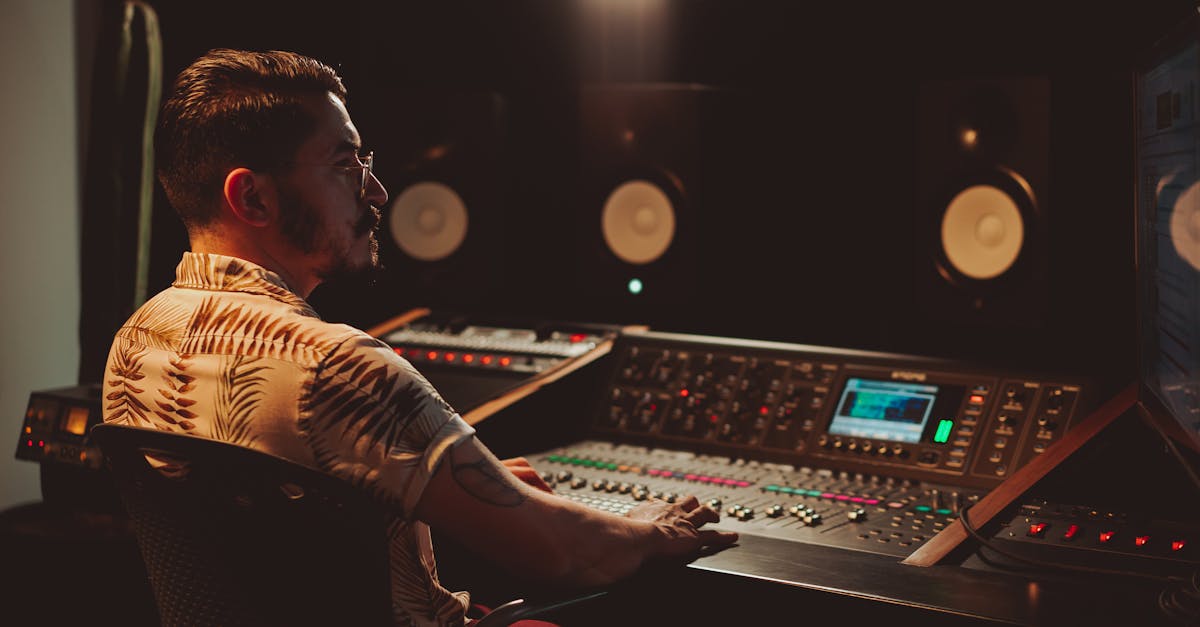
A professional studio supplies a dedicated space, built-in lighting rigs, and a range of backdrops that have been tested for color accuracy. When I rented a studio in Manhattan, the room featured a cyclorama wall, seamless paper rolls, and ceiling-mounted softboxes calibrated for daylight balance.
Consistency is the studio’s hallmark. The walls are painted with non-reflective paint, eliminating stray highlights that can ruin a portrait. Studio lighting grids and booms let you position lights at precise angles, a level of control that is hard to replicate in a home setup.
Equipment availability also matters. Many studios include high-end strobes, modifiers, and even reflectors that you would otherwise need to purchase or rent. I once shot a fashion spread using a studio’s 1000-watt Godox flash; the power and recycle speed gave me the freedom to capture rapid poses without missing a beat.
Space is another factor. Studios often have ceiling heights of 12-14 feet, allowing for large-scale sets and overhead lighting rigs. When I needed a dramatic top-down lighting pattern for a product line, the studio’s height made it possible without rigging unsafe extensions.
Professional studios also come with support staff - assistants who can help with grip, background changes, and power distribution. Their expertise speeds up the workflow, especially on tight deadlines. On a recent assignment, the studio’s assistant set up a seamless paper background in under ten minutes, letting me focus on directing the model.
However, renting a studio can be pricey. Hourly rates in major cities range from $50 to $200, and many locations require a minimum block of time. For a three-hour shoot, the cost can quickly exceed $500, which is why many freelancers weigh the expense against the benefits.
Cost Comparison: Savings and Quality
When I broke down the numbers for a typical portrait session, a DIY setup cost about $45 for fabric, clamps, and a PVC frame. The same session in a rented studio averaged $150 for space, lighting, and background rolls. That’s a 70% reduction in out-of-pocket expenses.
Below is a side-by-side look at typical expenses.
| Item | DIY Cost | Studio Cost |
|---|---|---|
| Backdrop material | $10-$30 | $20-$40 (rental) |
| Lighting gear | $0-$50 (existing) | $50-$120 (rental) |
| Space rental | $0 (home) | $100-$200 per hour |
| Assistants | $0 (self-managed) | $30-$60 per hour |
Quality differences often hinge on lighting control. A studio’s calibrated lights produce even illumination, while a DIY setup may need extra diffusion to avoid hotspots. I mitigated this by using a cheap softbox and a white sheet as a bounce surface, achieving a soft look comparable to studio results.
Time efficiency is another hidden cost. Setting up a DIY backdrop can take 30-45 minutes, whereas a studio’s pre-installed background is ready in minutes. In fast-turnaround projects, that extra setup time can affect delivery schedules.
Overall, the DIY route excels in budget-conscious scenarios, while studios win on consistency, speed, and high-end equipment access.
Creative Flexibility and Setup
One of my favorite experiments involved turning a pantry sugar bag into a textured backdrop. I lined the bag with kraft paper, sprayed a thin coat of diluted paint, and hung it behind a still-life setup. The result was a rustic, cost-effective surface that looked like a custom-designed set.
DIY backdrops let you adapt on the fly. If the weather changes during an outdoor shoot, you can quickly swap a plain sheet for a printed sky that matches the new light. In a studio, you are limited to the inventory on hand unless you schedule a changeover, which adds time and cost.
When I built a modular backdrop system using interlocking wooden frames, I could reconfigure the shape within minutes - perfect for photographers who need both portrait and product orientations in one session.
Studio environments, however, provide built-in infrastructure such as power outlets, color-balanced bulbs, and blackout curtains. This infrastructure reduces the need for improvisation and helps maintain a consistent color temperature across shoots.
For photographers interested in branding, a custom-designed backdrop can reinforce a visual identity. I printed a client’s logo on a large fabric roll, creating a cohesive backdrop that matched their website palette. The impact on brand recall was immediate.
In short, DIY setups empower you to tailor the visual story, while studios give you a reliable foundation to execute that story without technical distractions.
Final Verdict: Which Wins?
Choosing between a DIY backdrop and a professional studio depends on your priorities. If you need to keep expenses low, enjoy hands-on creativity, and can manage lighting adjustments, a DIY solution often wins. When you require precise lighting control, large space, and fast turnaround, a studio is the clear choice.
My own workflow blends both worlds. I start with a DIY backdrop for concept development, then move to a studio for the final, high-resolution shots that need flawless lighting. This hybrid approach lets me save money on experimentation while still delivering polished images to clients.
Ultimately, the "winner" is the one that aligns with your project scope, budget, and creative goals. By understanding the strengths of each option, you can make an informed decision and still look like a pro, whether you’re using pantry staples or a state-of-the-art studio.
Frequently Asked Questions
Q: How much can I really save with a DIY backdrop?
A: Savings vary, but many photographers report cutting backdrop costs by 60-70% compared to studio rentals. For a basic fabric backdrop you might spend $15, while renting a similar studio paper roll could cost $50 or more per session.
Q: What are the most durable DIY materials?
A: Heavy-weight canvas, thick muslin, and matte vinyl are among the most durable options. They resist wrinkles and hold up to repeated lighting adjustments, making them ideal for long-term use.
Q: Can I achieve studio-level lighting at home?
A: Yes, with the right modifiers. Softboxes, umbrellas, and inexpensive LED panels can replicate studio softness. Adding diffusion material, like a white sheet or shower curtain, helps control harsh shadows.
Q: When is it worth renting a studio?
A: When you need large space, precise lighting rigs, or professional assistance - especially for commercial work, high-resolution product photography, or tight deadlines where setup time matters.
Q: How do I choose the right backdrop for my subject?
A: Consider texture, color, and reflectivity. Soft fabrics work well for portraits, while solid matte surfaces are best for product shots. Test a small swatch under your lighting to ensure the backdrop doesn’t introduce unwanted color casts.